
If you've ever searched for "piano lessons near me" or looked into music schools in St. Louis, you've probably noticed something: they all sound pretty much the same. Group classes. Method books. Recitals twice a year. A curriculum that moves everyone through the same steps at roughly the same pace.
Here's the uncomfortable truth: that model works great if you're running a high-volume music school. It doesn't work so well if you actually want to become a confident, independent musician.
At AM Music Academy, we're done pretending that music education should look like a factory assembly line. Instead, we've built something different from the ground up: something we call Artisan Education.
The Factory Model Problem
Let's be honest about what "traditional piano lessons" usually look like. You sign up, you get assigned a teacher, and you start working through a method book: the same one everyone else is working through. You learn pieces in a predetermined order. You hit milestones that someone else decided were important. And if you're lucky, your teacher might occasionally ask what you'd like to learn.
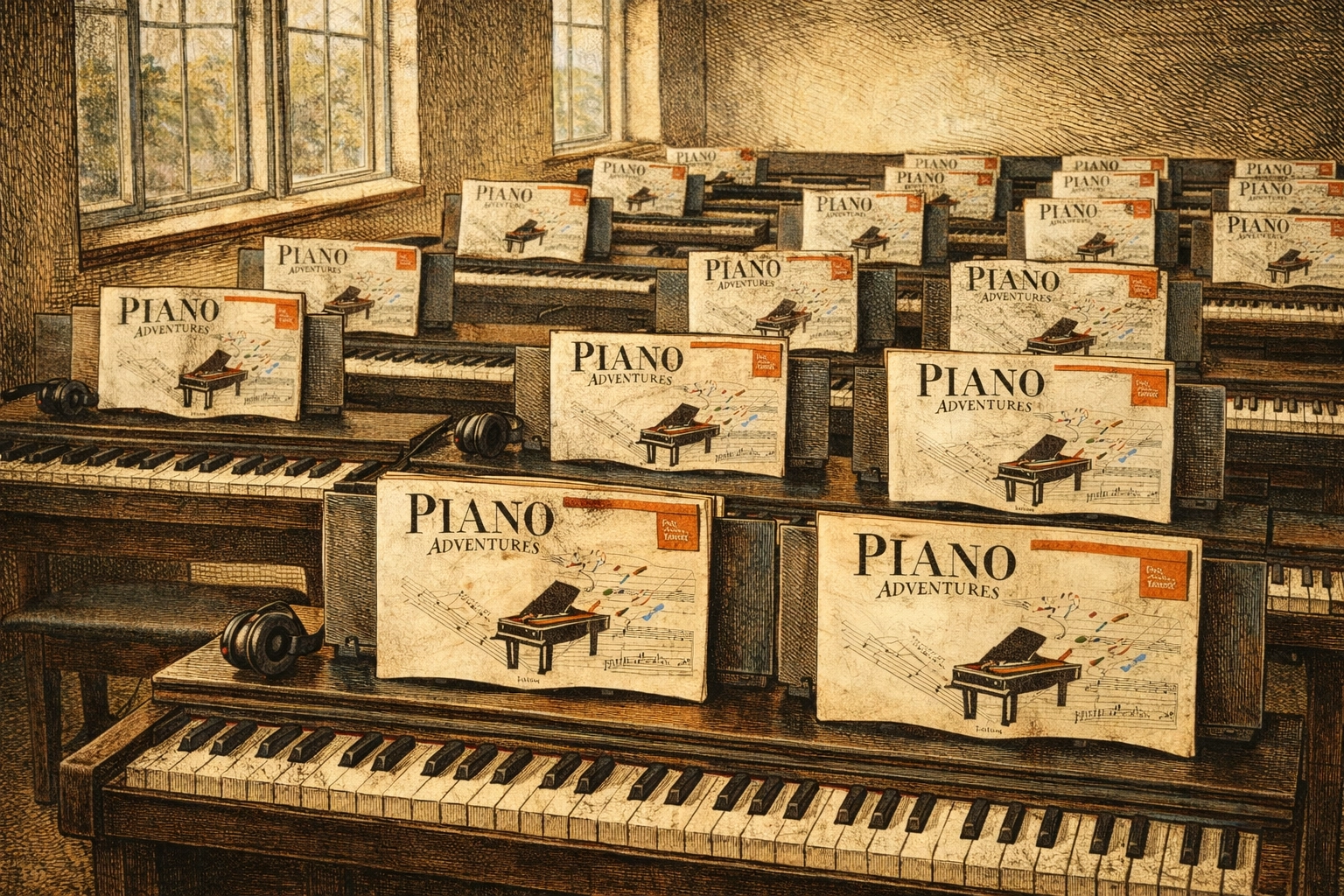
This approach isn't necessarily bad. It's just… generic. It's built for efficiency, not effectiveness. It's designed to get as many students through the door as possible, not to create musicians who truly understand what they're doing and why.
The result? Students who can play pieces but can't explain what makes them work. Musicians who depend entirely on their teacher to tell them what to practice next. People who quit after a few years because they never felt like the lessons were really theirs.
Standard piano lessons teach you to play piano. They don't teach you to be a musician.
What Is Artisan Education?
Think about the word "artisan" for a moment. An artisan isn't someone working on an assembly line, cranking out identical products. An artisan is a master craftsperson who creates something unique, something tailored, something that reflects both their expertise and the specific needs of the person they're creating for.
That's exactly what Artisan Education is.
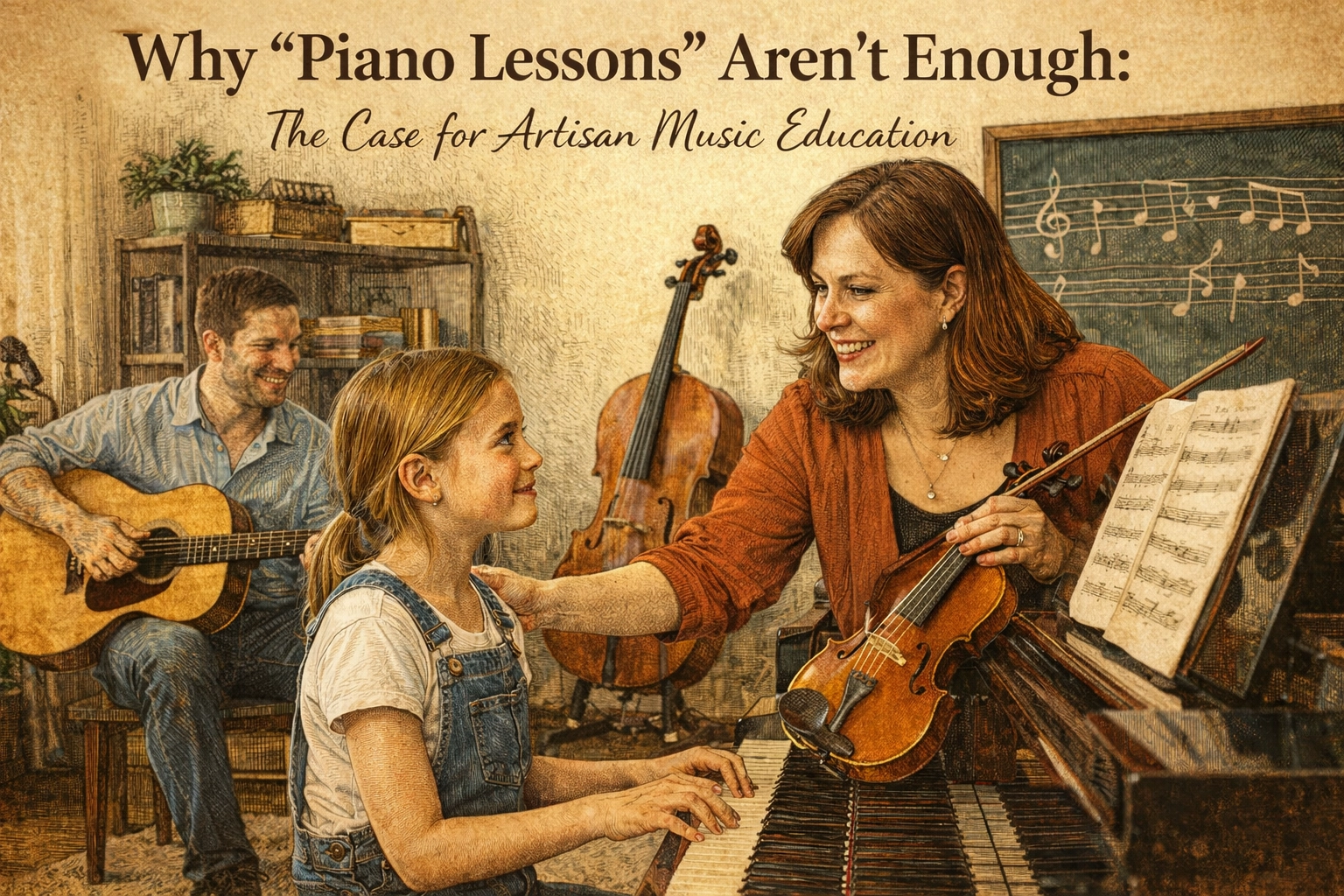
At AM Music Academy, every single student receives 100% one-on-one instruction with a completely custom plan. Not "choose from these three learning paths." Not "here's the method book with some modifications." We're talking about a curriculum that is designed specifically for you, starting from wherever you are right now and heading toward whatever goals actually matter to you.
Want to write your own songs? We build that into your foundation from day one. Interested in jazz improvisation? Your music theory lessons will be framed through that lens. Dreaming of performing classical repertoire? We'll craft a technical and interpretive approach that supports that ambition.
The artisan approach means your musical education is as unique as you are.
The Apprentice Model: How Musicians Actually Learn
Here's something we've lost in modern music education: for centuries, musicians didn't take "lessons." They studied under masters. They apprenticed. They learned not just what to do, but why it mattered, how to think like a musician, and what it means to develop your own artistic voice.
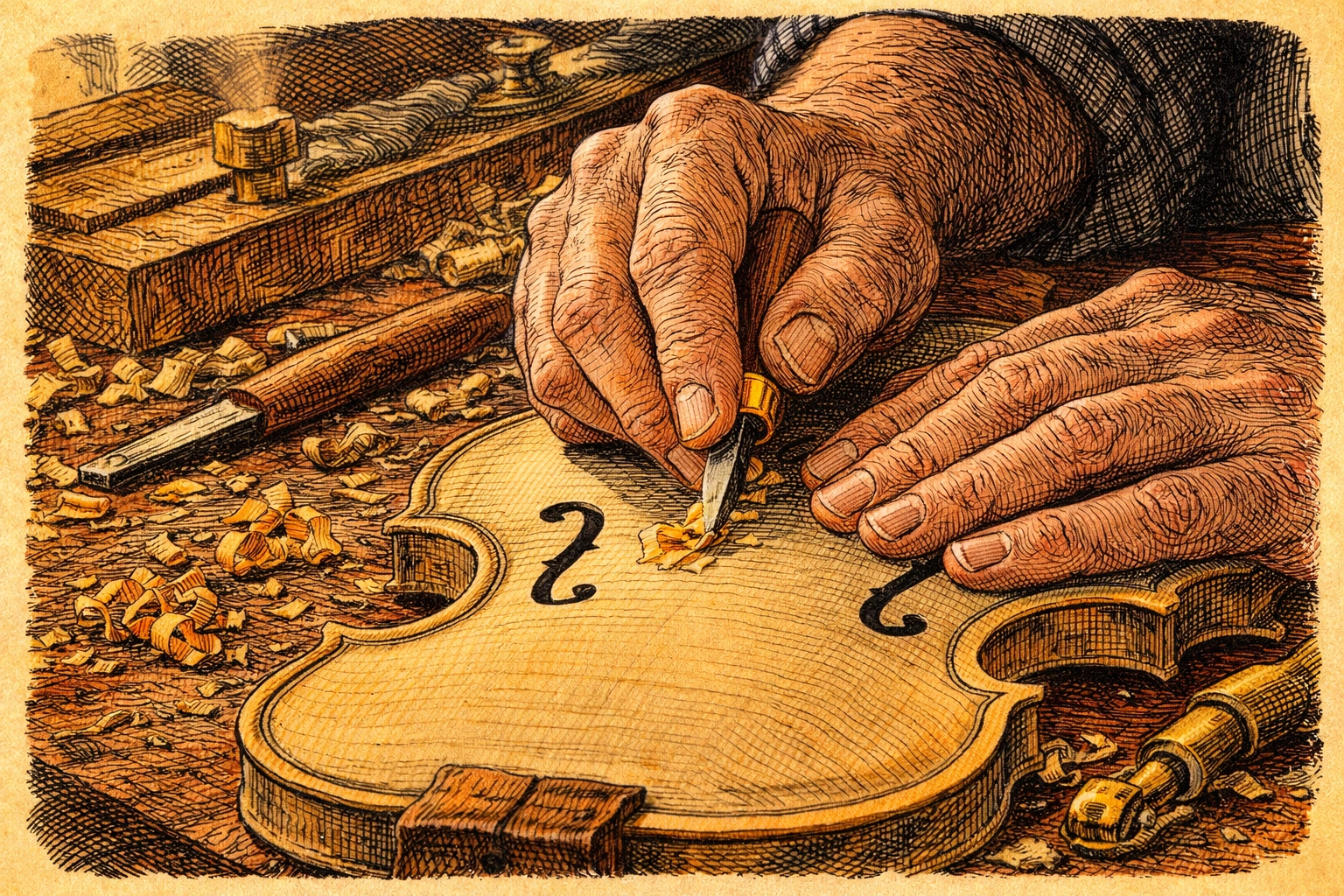
Artisan Education brings that back.
In a one-on-one setting, your instructor isn't just delivering content: they're mentoring you. They're watching how you process information, noticing where you get stuck, identifying patterns in how you learn best. They're adjusting the plan in real-time based on what's clicking for you and what needs a different approach.
This isn't possible in a group class. It's not even fully possible in a "semi-private" lesson. It requires dedicated attention, deep expertise, and a genuine commitment to your individual growth.
The Expertise That Makes It Possible
Let's talk credentials for a second, because they matter: especially when you're trusting someone to guide your musical development.
The Artisan Education model at AM Music Academy is led by an instructor with over 20 years of teaching experience and a Master's degree in Music Theory. That's not just "knows how to play piano well." That's two decades of understanding how people learn, how music actually works under the hood, and how to build a custom path that serves each student's specific needs.
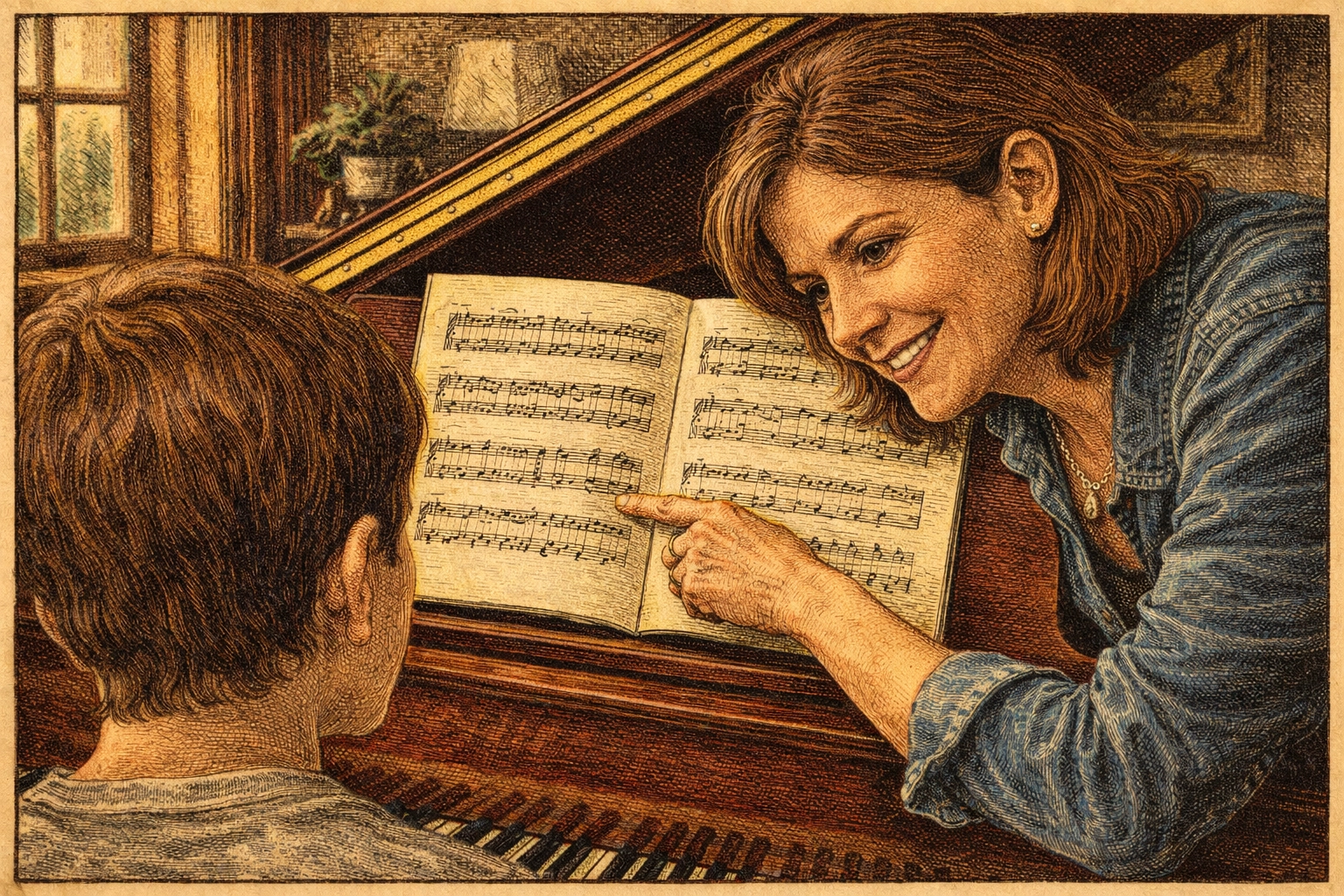
When you understand music theory at that level, you can teach it in a way that makes sense: not as abstract rules to memorize, but as the language that explains why music moves you. You can show students how to think musically, not just play notes correctly.
And when you've spent 20 years working with students: from absolute beginners to advanced musicians preparing for auditions: you develop an intuition for what works. You know when to push, when to pull back, when to introduce a new concept, and when to let something marinate.
That level of expertise is what transforms "piano lessons" into genuine artisan education.
Why Traditional Methods Fail to Create Independent Musicians
Here's the most important difference: traditional piano lessons create dependency. Artisan Education creates independence.
In the standard model, students learn to follow instructions. They wait for their teacher to assign the next piece, to tell them what to practice, to correct their mistakes. They become excellent at executing someone else's plan.
But what happens when there's a piece they want to learn on their own? What do they do when they encounter a musical concept they don't understand? How do they know if they're making real progress or just going through the motions?
They don't. Because they were never taught to think for themselves.
Artisan Education flips this entirely. From the very beginning, students learn not just how to play, but why things work the way they do. Music theory lessons aren't some separate, boring requirement: they're woven into everything, giving students the tools to understand and analyze music themselves.
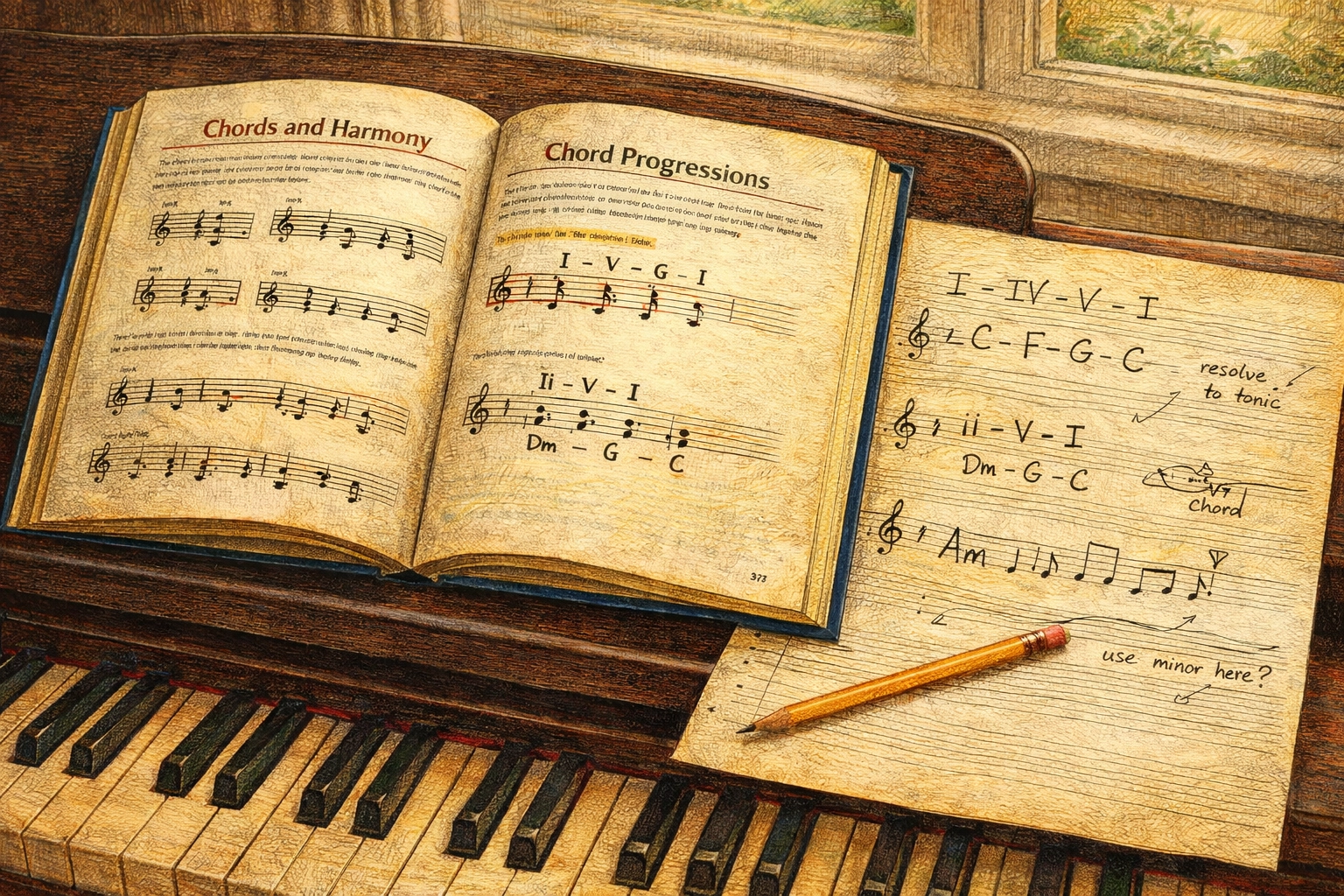
We teach decision-making. We explain the "why" behind technique, not just the "do it this way." We build problem-solving skills so students can work through challenges on their own. We develop musical thinking, not just musical doing.
The goal isn't to create students who need us forever. The goal is to create musicians who have the knowledge, skills, and confidence to continue growing long after their lessons end.
Your Starting Point + Your Goals = Your Curriculum
This is where Artisan Education gets really exciting.
Traditional music schools ask: "What level are you?" Then they slot you into the corresponding program.
We ask: "Where are you right now, and where do you want to go?" Then we build the bridge.
Maybe you played piano as a kid and want to get back into it: but this time, you want to understand what you're doing instead of just reading notes. Your curriculum will emphasize music theory lessons integrated with technique review and repertoire that actually interests you.
Maybe you're a complete beginner who's always wanted to play jazz. We'll start with fundamentals, sure: but we'll frame everything through a jazz lens from day one. Your first theory lessons will introduce you to chord structures and improvisation concepts, not just major scales and classical terminology.
Maybe you're an advanced player preparing for college auditions. Your custom plan will focus on repertoire selection, performance polish, and the deep interpretive work that makes the difference between good and memorable.
Whatever your situation, whatever your goals: that's what we build around.
The Difference You'll Feel
Students who experience Artisan Education describe it the same way: "This finally makes sense."
Because when instruction is tailored to you: to how you learn, what you care about, and where you're headed: everything clicks differently. Concepts that seemed impossible suddenly become clear. Practice becomes purposeful instead of repetitive. Music theory lessons transform from confusing rules into insights that unlock everything you're working on.
You stop feeling like you're just going through the motions of "piano lessons" and start feeling like you're becoming the musician you always wanted to be.
Ready to Experience the Artisan Difference?
If you're searching for music schools in St. Louis, you have options. Plenty of places will be happy to sign you up for standard piano lessons, hand you a method book, and see you next week.
But if you want something different: if you want education that's truly crafted for you: we should talk.
At AM Music Academy, we're not interested in being the biggest music school. We're interested in providing the best music education. That means small enrollment, dedicated attention, and a commitment to the artisan approach that treats every student as the unique individual they are.
Visit our About Us page to learn more about our philosophy, or get in touch to discuss how Artisan Education could work for you. Your musical journey deserves more than a one-size-fits-all approach.
It deserves a master craftsperson who'll build it alongside you.
Leave a Reply
You must be logged in to post a comment.