

When you sit down at a piano, whether you’re seven years old or seventeen, there is a certain "blank canvas" anxiety that can kick in. You’ve got a new piece of music, a stack of pages filled with black dots, and a vague goal of “learning it.” But if you just start at measure one and play until you get tired, you aren't really practicing, you're just kind of wandering.
At AM Music Academy, we do things a little differently. We don’t just teach people how to move their fingers; we teach them how to think. One of the most vital concepts we instill in our students is the idea of beginning with the end in mind.
It’s a philosophy that changes everything. It turns a daunting six-page sonata into a manageable project with a clear "finish line." But more importantly, the way we teach this skill evolves as the student grows. It’s a journey from teacher-managed logistics to student-led mastery, and it’s one of the reasons our piano lessons for kids produce such capable, confident individuals.
The Training Wheels: The Teacher as the Architect
When a young student starts out at our private music school in St. Louis, their "executive functioning" engine is still warming up. Expecting a seven-year-old to look at a new piece of music and map out a six-week rehearsal schedule is like asking them to build a skyscraper before they’ve mastered Lego sets.
In these early stages, I take on the role of the Architect and the Project Manager. The student’s only job is to show up and conquer the bite-sized pieces I lay out for them.

During our lessons, we break the music down into "micro-goals." Maybe this week we are only looking at the first four measures of the left hand. Maybe our "finish line" for next Wednesday is simply being able to play the C-major scale without looking at our thumbs. By handling the "big picture" planning for them, I ensure they experience frequent, small wins. These wins build the dopamine loops necessary to keep them excited about the instrument. They don’t have to worry about the recital in three months; they just have to worry about the "finish line" I drew for them today.
Handing Over the Blueprint: The Transition to Student-Led Planning
As students advance into their pre-teen and teenage years, the dynamic at our piano lessons in Florissant, Missouri begins to shift. This is where the real magic happens. We move away from the "do what I say" model and toward a mentorship or "Artisan Education" model.
I start putting the work on their shoulders. I stop being the Project Manager and start being the Consultant.
It usually starts with a conversation like this:
"Okay, we’ve finished your last piece. What’s next? What do you want to play?"
By letting the student pick the piece, they immediately have more "skin in the game." But then comes the harder part: setting the timeline. I ask them, "When do you want to have this performance-ready? Is this a one-month project or a three-month project?"
We sit down and work backward from their chosen finish line. If the recital is in June, where do we need to be by May? By April? This is where they learn to prioritize. They learn that they can’t spend three weeks perfecting the intro if the middle section is twice as hard. They start to see the music not as a long list of notes, but as a project that requires a strategy.

(Suggested AI Image prompt: A focused teenage student wearing a casual hoodie sitting at a grand piano in a modern, sunlit studio, looking at a sheet of music with a pencil in hand, appearing to be planning or marking the score.)
Why the "Finish Line" Matters for Mastery
In the world of high-level performance and even in professional environments like engineering or design, the most successful people are those who know how to "ship" their work.
Mastery doesn’t come from practicing the same thing forever; it comes from completing things. When a student sets their own finish line, several things happen:
- Clarity Overwhelms Anxiety: When you know exactly what "finished" looks like (e.g., "I can play this at 120bpm with no more than two minor slips"), the path to get there becomes clear.
- Healthy Urgency: A deadline is a powerful tool. It forces a student to decide what matters most in their practice session today.
- The Post-Game Review: Once a student crosses a finish line they set for themselves, we can look back and ask, "What worked in your plan? Where did we stall out?" This reflection is where the deepest learning occurs.
This is the core of what we do at AM Music Academy. We aren't a factory pumping out identical performances. We are an artisan school focused on the individual’s growth. Every student receives a custom plan, but as they progress, they become the primary author of that plan.
Executive Functioning: The "Leg Up" in Real Life
Parents often tell me that they notice a change in their kids' schoolwork or hobbies once they start mastering this "begin with the end in mind" approach at the piano. This isn't a coincidence.
The skills required to plan a rehearsal: prioritization, time management, self-correction, and goal setting: are all part of executive functioning. These are the brain's "CEO" skills. When a student learns how to navigate a difficult Chopin Etude by breaking it into a six-week blueprint, they are simultaneously learning how to write a term paper, how to study for the SATs, and how to manage a project at a future job.
Music is the medium, but the lesson is life-mastery.
A Supportive Space for Growth
The transition from teacher-led to student-led planning can be messy. Students will underestimate how long a piece takes. They will set over-ambitious goals and occasionally miss their own deadlines.
And that’s okay. In fact, it’s necessary.
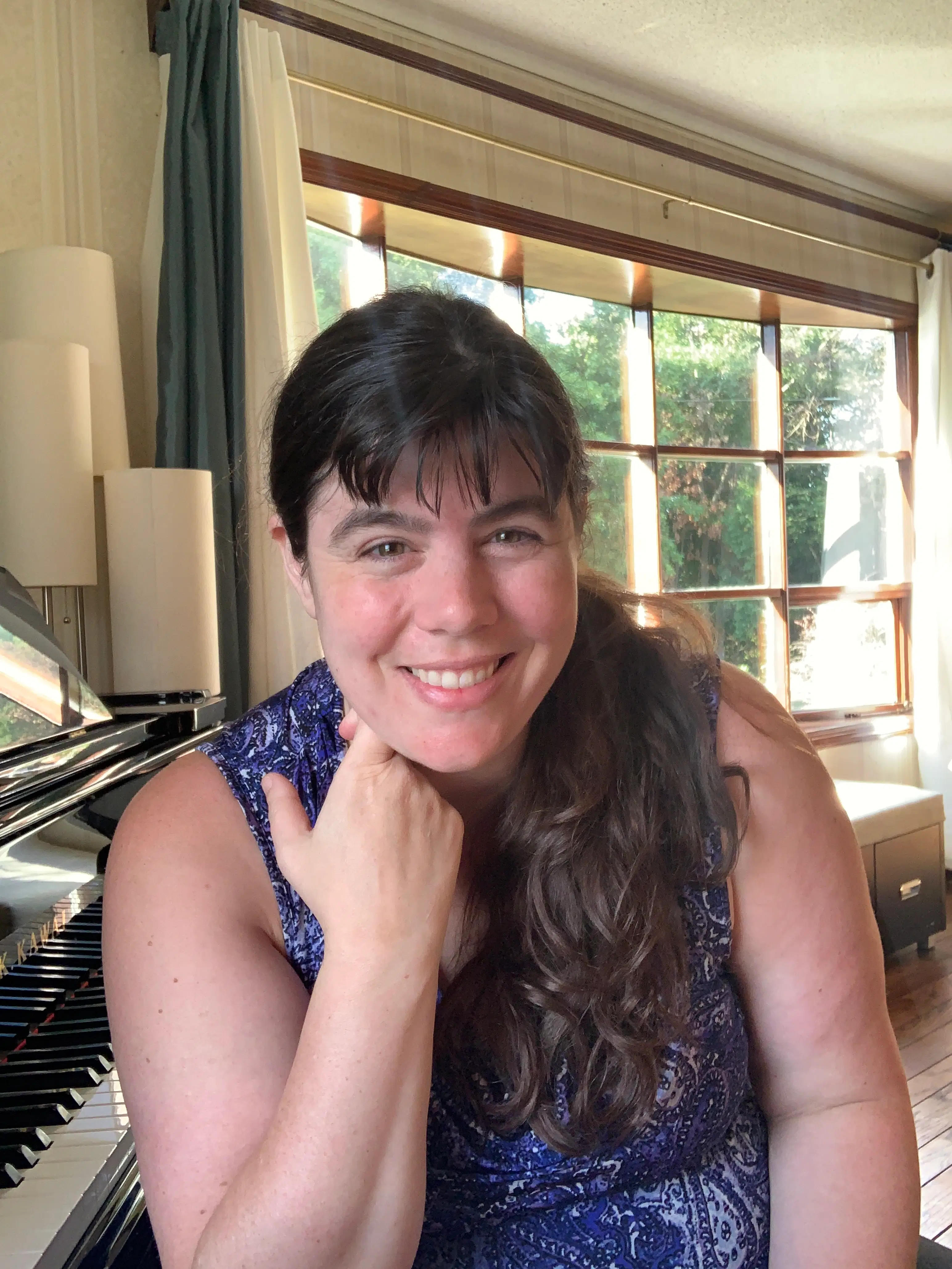
AM Music Academy is designed to be a supportive environment where it’s safe to fail at a plan so you can learn how to make a better one next time. We keep the vibe casual: you’ll see us in hoodies, not tuxedos: because we want our students to feel comfortable taking risks. Whether you are looking for piano lessons for kids or advanced instruction, the goal is the same: to create a musician who doesn't need a teacher to tell them what to do next.
Starting Your Own Blueprint
If you’re looking for a private music school in St. Louis that treats your child like an individual rather than just another slot on a schedule, you’ve found it. We believe that music education should be an "Artisan" experience: personalized, deep, and focused on building the whole person.
Teaching a student to plan their own finish line is one of the greatest gifts we can give them. It’s the difference between someone who can "play the piano" and someone who can master any challenge life throws at them.
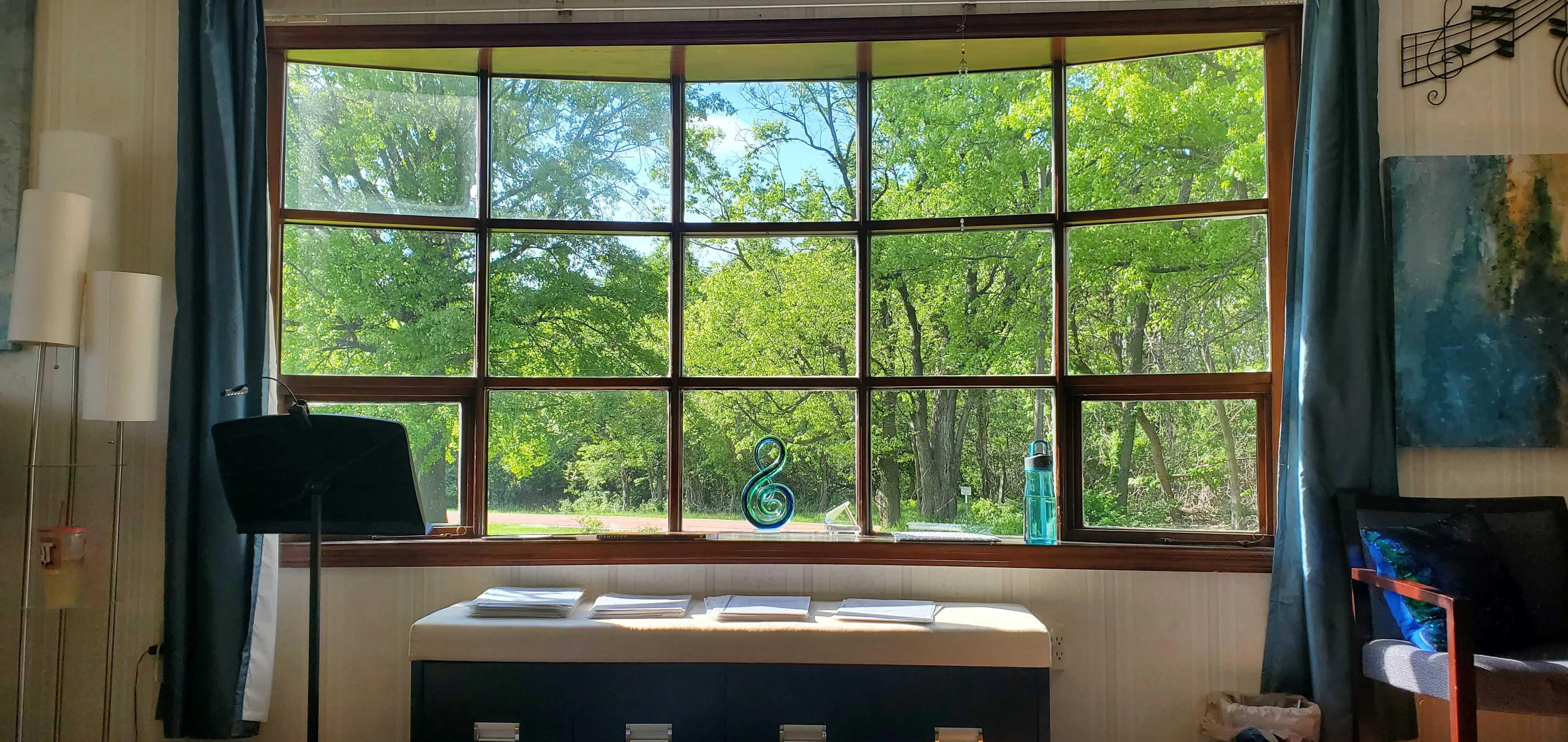
Ready to see what a custom-tailored music education can do for your family? Whether you're in Florissant or the greater St. Louis area, we’d love to help you or your child start building your own blueprint for mastery.
The finish line is waiting( let’s plan how to get you there.)
Leave a Reply
You must be logged in to post a comment.